Get Pool Algae Removal
Local contractors offer algae removal services to eliminate algae buildup, improve pool clarity, and restore a clean, safe swimming environment.
If algae buildup has become a concern for your swimming pool, you’ve come to the right place. Property owners in the area often seek professional algae removal to maintain a clean, inviting pool environment. Proper algae control not only enhances the appearance of the water but also helps prevent potential damage to pool surfaces and equipment. Exploring local contractors who specialize in algae removal can provide practical solutions tailored to your specific needs.
This page connects you with experienced service providers in the community who can assist with effective pool algae removal. Whether you're preparing for upcoming gatherings or simply want to enjoy a clear, healthy pool, comparing local options can help you find the right support. Keep reading to learn more about how local contractors can help keep your pool in top condition.
- Pool Algae Removal - when algae buildup causes your pool water to turn green or cloudy.
- Pool Algae Removal - if algae has started to form on pool surfaces, making cleaning difficult.
- Pool Algae Removal - after heavy rain or storms that introduce debris and promote algae growth.
- Pool Algae Removal - when algae blooms disrupt the clarity and safety of swimming conditions.
- Pool Algae Removal - for regular maintenance to prevent algae from becoming a recurring problem.
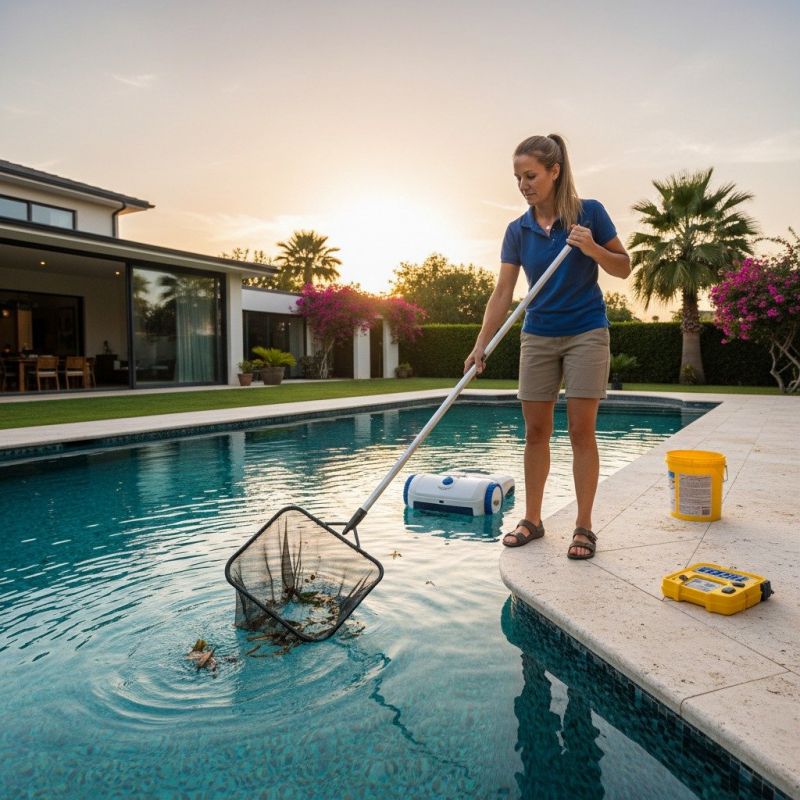
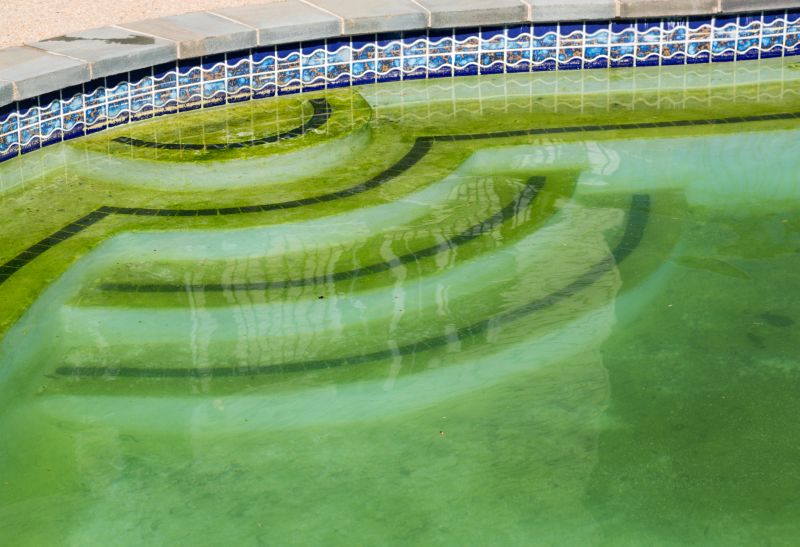
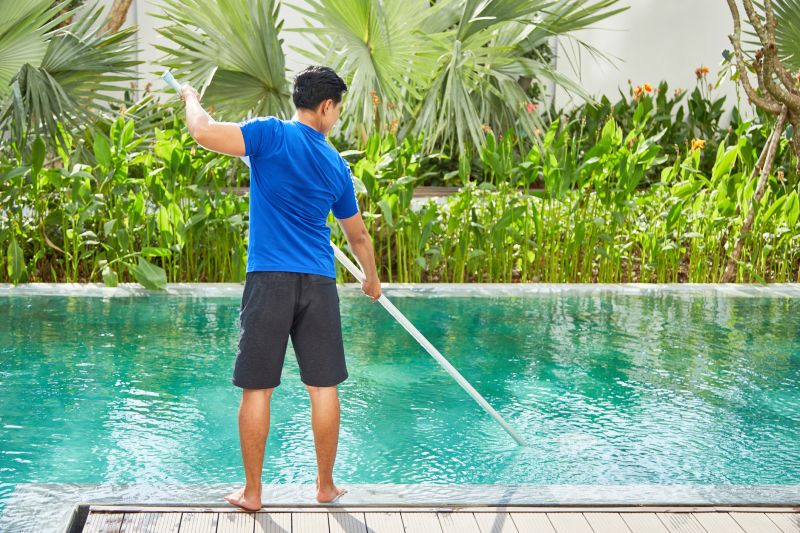
Pool algae removal services are designed to eliminate unsightly and potentially harmful algae growth from swimming pools. This process typically involves thorough cleaning, scrubbing, and chemical treatments to break down and remove algae colonies that can develop on pool surfaces, walls, and floors. Professional contractors use specialized tools and solutions to ensure that all traces of algae are effectively cleared, restoring the pool’s appearance and preventing future growth. Regular algae removal can help maintain a clean, inviting swimming environment and extend the lifespan of pool surfaces by preventing algae-related damage.
Algae growth in pools often results from factors such as warm temperatures, sunlight exposure, and inadequate circulation or filtration. When algae take hold, they can cause surfaces to become slimy, discolored, and slippery, creating safety hazards for swimmers. Algae can also clog filters and reduce water clarity, making the pool less enjoyable and more difficult to maintain. Pool algae removal services address these issues by thoroughly cleaning affected areas and applying treatments that inhibit algae regrowth, ensuring the pool remains safe, clean, and visually appealing.
These services are commonly used by residential property owners with private pools, especially those in regions with warm climates or high sunlight exposure. Commercial properties such as hotels, resorts, and community pools also frequently rely on algae removal services to keep their pools in top condition. Any property with a swimming pool that experiences algae buildup or notices changes in water quality can benefit from professional algae removal. Regular maintenance by local contractors helps prevent algae from becoming a recurring problem and keeps pools safe and inviting for all users.
Homeowners often need algae removal services when they notice green, black, or yellowish growth on their pool surfaces or experience cloudy, murky water. Algae can develop quickly if pools are not properly maintained or if chemical levels are out of balance. Property owners may also seek these services after periods of neglect, seasonal shutdowns, or unexpected algae blooms. By contacting local service providers, homeowners can find the right solutions to restore their pools’ cleanliness and prevent future algae issues, ensuring a safe and enjoyable swimming experience.
The overview below groups typical Pool Algae Removal projects into broad ranges so you can see how smaller, mid-sized, and larger jobs often compare in your area.
In many markets, a large share of routine jobs stays in the lower and middle ranges, while only a smaller percentage of projects moves into the highest bands when the work is more complex or site conditions are harder than average.
Smaller Algae Removal - Typically costs between $250 and $600 for many routine algae cleanup jobs on residential pools. Most projects in this range involve light to moderate algae buildup that can be addressed quickly by local contractors. Fewer jobs fall into the higher end of this spectrum unless the algae is particularly stubborn.
Moderate to Heavy Algae Treatment - Costs generally range from $600 to $1,200 for more extensive algae removal, especially in cases of significant growth or older pools. These projects often involve thorough cleaning and chemical treatments, which are common for many residential pools with persistent algae issues. Larger or more complex pools may push costs into the upper part of this range.
Full Pool Cleaning and Algae Removal - Full-service cleaning and algae removal for a typical residential pool usually falls between $1,200 and $2,500. This includes comprehensive cleaning, chemical balancing, and algae eradication, and most projects land within this band. Larger or more complex pools can sometimes reach higher costs depending on size and algae severity.
Complete Pool Renovation or Major Repairs - Larger, more involved projects such as pool renovation or extensive algae-related repairs can exceed $5,000. These are less common and typically involve significant work beyond algae removal, such as surface repairs or system upgrades. Many routine algae removal projects will not reach this high-tier cost range.
Actual totals will depend on details like access to the work area, the scope of the project, and the materials selected, so use these as general starting points rather than exact figures.
Pool Maintenance Services - Professionals who perform routine pool cleaning and chemical balancing often have skills applicable to algae removal, ensuring pools stay clear and healthy.
Water Feature Cleaning - Local contractors experienced in cleaning fountains, ponds, and waterfalls use similar tools and techniques to remove algae and prevent buildup.
Spa and Hot Tub Cleaning - Service providers who clean and maintain hot tubs have expertise in algae prevention and removal in small water features.
Lakeshore and Pond Management - Experts managing natural and artificial ponds use algae control methods that align with residential and commercial pool algae removal needs.
Swimming Pool Equipment Repair - Technicians who service pool filters, pumps, and circulation systems understand water flow and filtration, aiding effective algae control.
Water Testing and Chemical Balancing - Specialists who analyze water quality and adjust chemical levels possess skills relevant to algae prevention and treatment in pools.
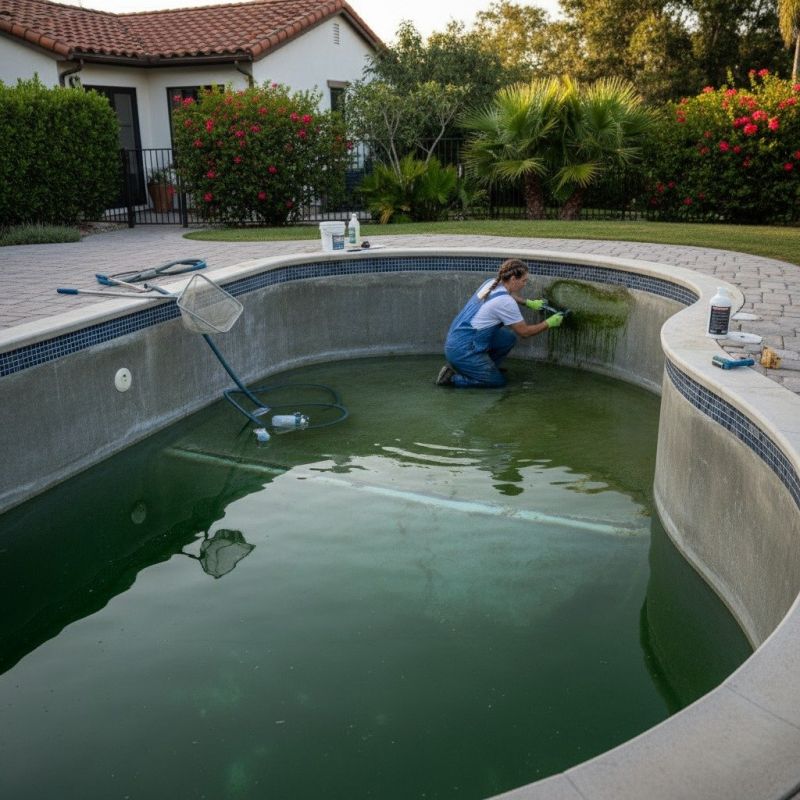
When evaluating potential service providers for pool algae removal, it’s important to consider their experience with similar projects. Homeowners should inquire about how long the contractor has been working in the field and whether they have handled pools with algae issues comparable to their own. A contractor with a solid track record in algae removal can often demonstrate familiarity with different types of algae and the most effective methods to address them, providing a clearer sense of their capability to deliver quality results.
Clear, written expectations are vital to ensure that both the homeowner and the contractor are aligned on the scope of work. When comparing local contractors, it’s helpful to review detailed descriptions of the services they offer, including what is included and any potential limitations. Having this information in writing helps prevent misunderstandings and allows homeowners to assess whether the contractor’s approach aligns with their specific needs and concerns.
Reputable references and effective communication are key indicators of a dependable service provider. Homeowners should seek out local pros who can provide references from previous clients with similar projects, offering insights into their experience and satisfaction. Additionally, good communication-such as prompt responses to inquiries and clear explanations of procedures-can make the process smoother and foster confidence that the contractor understands the homeowner’s goals. Keep in mind that this site introduces homeowners to local options and does not perform the work itself, serving solely as a resource to connect with qualified service providers.
Property owners use Pool Algae Removal services for practical projects around their homes and businesses. This guide focuses on everyday jobs and straightforward project options.
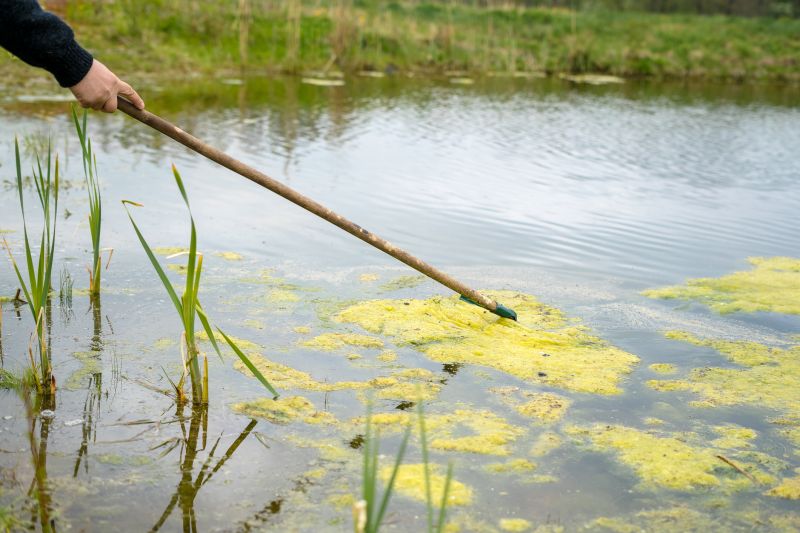
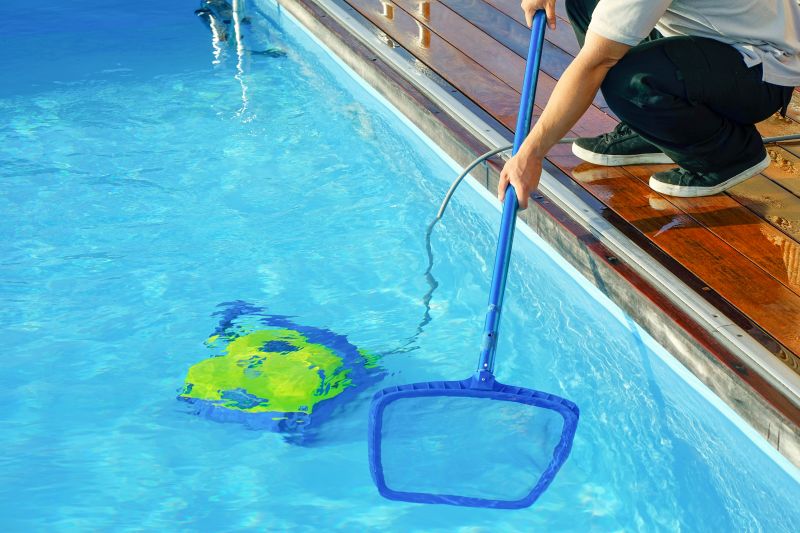
Pool algae buildup can become a common issue for property owners who notice their pools turning cloudy or developing green, slimy surfaces. This often happens during warmer months or after periods of heavy use, making the water less inviting and potentially affecting the overall appearance of the property. Local contractors specializing in algae removal can help restore a pool’s clarity and cleanliness, ensuring it remains a safe and appealing feature for family gatherings or relaxation.
In addition, property owners may seek algae removal services when algae growth begins to impact the pool’s equipment or water quality. Regular algae control can prevent more extensive problems and reduce the need for costly repairs down the line. Local service providers are experienced in addressing these issues efficiently, helping maintain a clean, healthy swimming environment throughout the season.
What causes algae to grow in pools? Algae can develop in pools due to factors like excess sunlight, nutrients in the water, and insufficient filtration or chemical balance.
How do professionals remove algae from pools? Local contractors typically use specialized cleaning techniques, including brushing, filtering, and chemical treatments, to effectively eliminate algae.
Can algae return after removal? Yes, algae can return if the pool’s chemical levels are not properly maintained or if the pool is exposed to algae spores from the environment.
What types of algae are commonly found in pools? The most common types include green algae, yellow algae, and black algae, each requiring specific treatment approaches.
Is algae removal safe for my pool’s equipment? When performed by experienced service providers, algae removal is generally safe and does not harm pool equipment or surfaces.
Prevent Algae Growth - Regular algae removal helps maintain a clean and healthy pool environment, reducing the risk of algae spreading during peak seasons.
Prepare for Pool Parties - Ensuring algae-free water creates an inviting space for gatherings and outdoor activities with family and friends.
Protect Pool Equipment - Removing algae buildup can help preserve filtration systems and pool surfaces, extending their lifespan and functionality.
Improve Water Clarity - Clear water enhances the overall appearance of the pool, making it more enjoyable and easier to maintain.
If you are thinking about Pool Algae Removal for a property, this guide is meant to help you understand the work, the typical project types, and how different options might fit your plans.
When you are ready, you can use the quote form on this page to share a few details about your project. From there, local pros can review the basics and respond with options that match what you have in mind.